If you're planning a wine-focused trip to Italy, chances are you've come across Tuscany and Piedmont. Both are incredible, both produce world-famous wines, and both offer some of the best food you'll eat in Italy. But despite often being compared, they feel completely different.
I've been lucky enough to spend time in both regions, and people ask me all the time which one I prefer. The truth is...I don't think there's a wrong answer. It really comes down to the type of experience you're looking for.
So let's break it down.
The Atmosphere
Tuscany
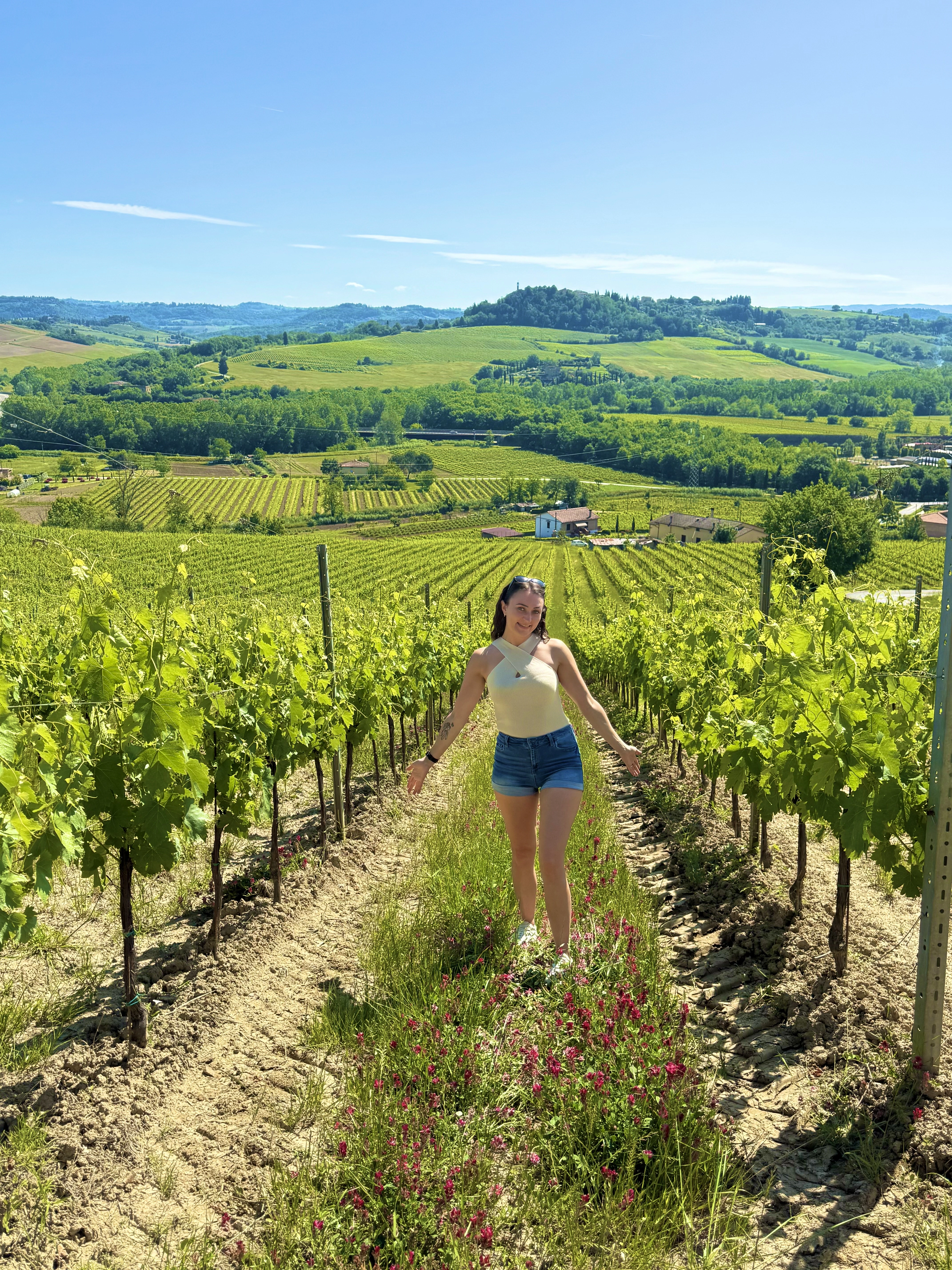
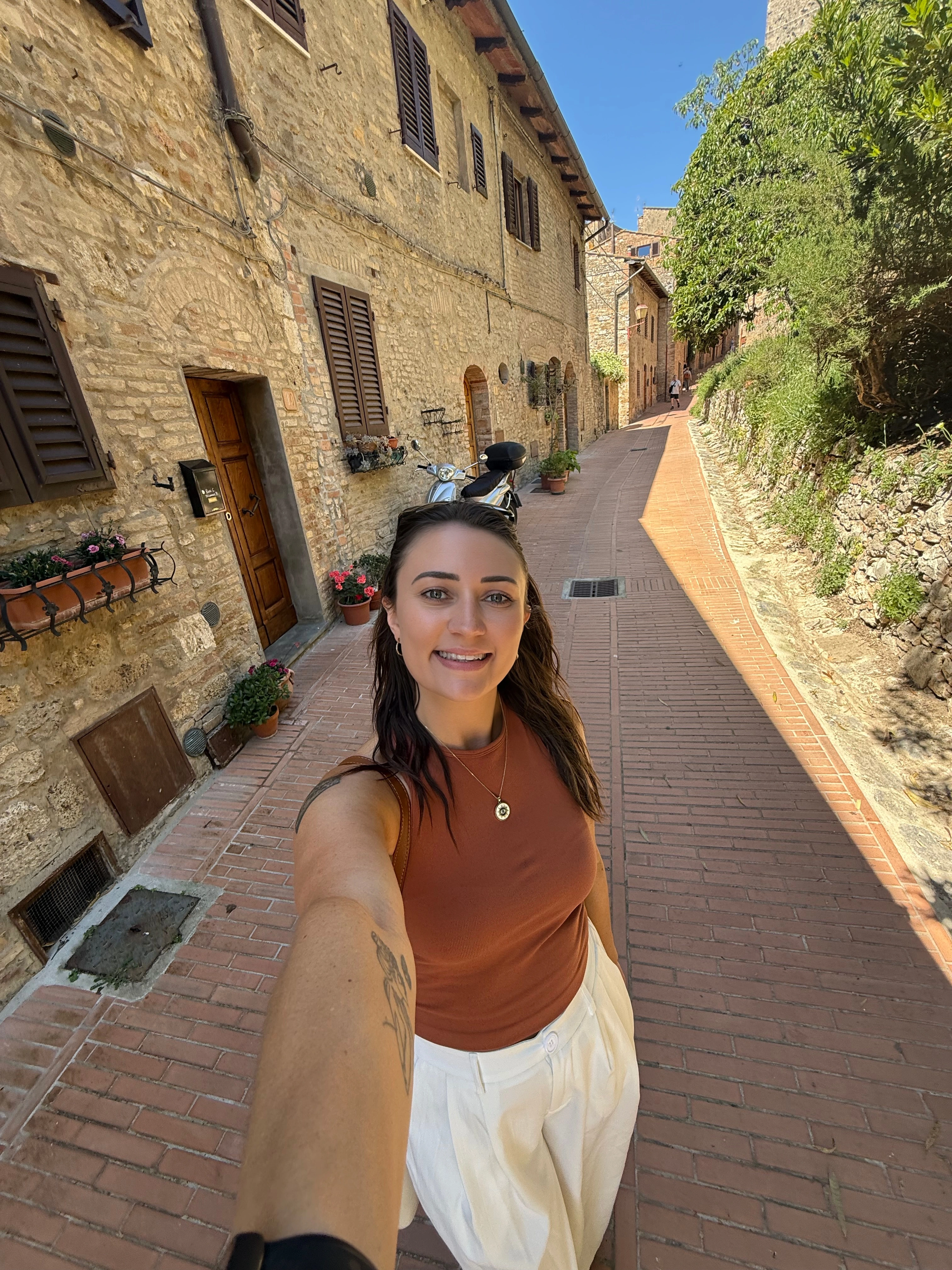
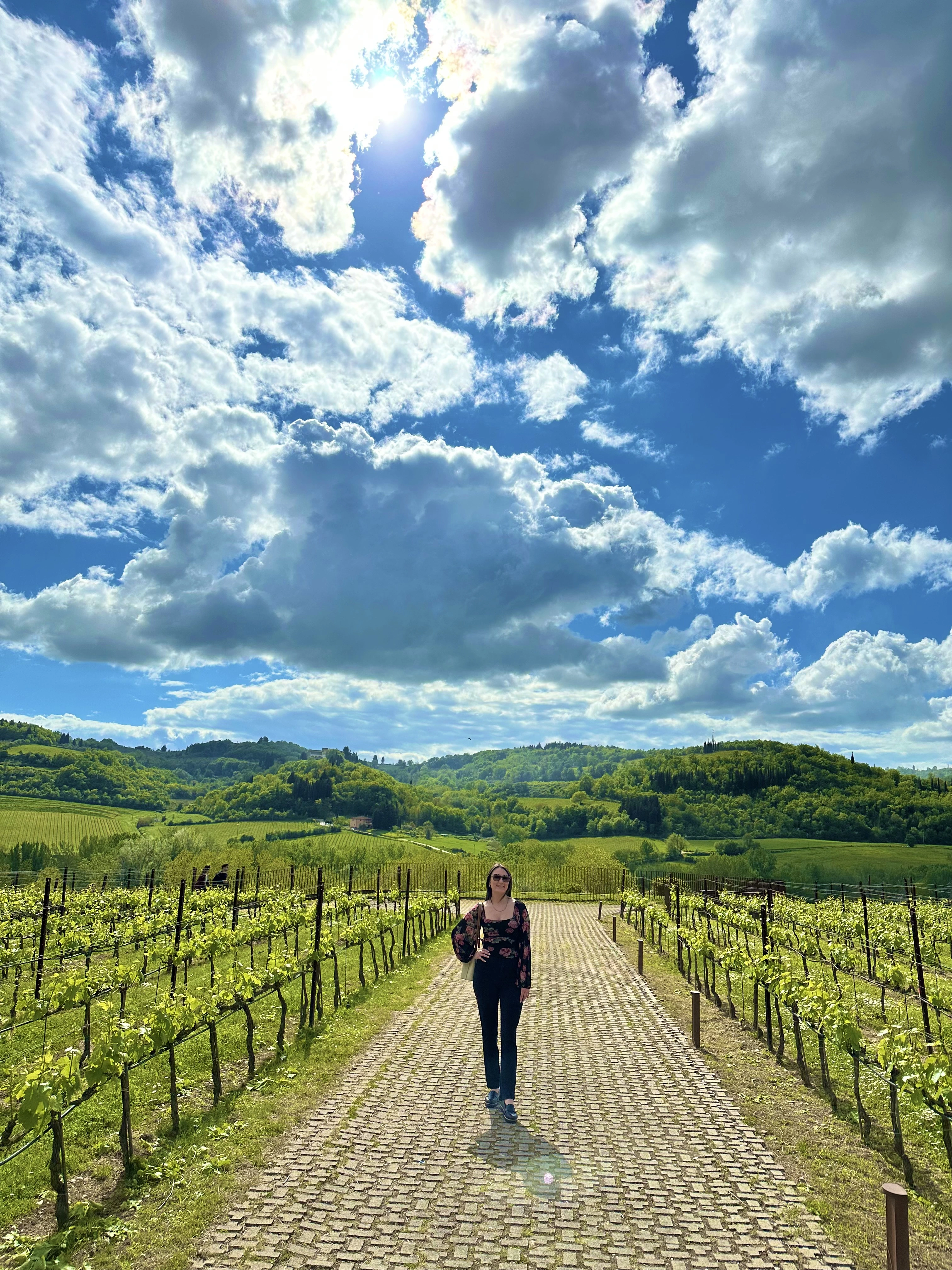
Tuscany is what most people picture when they dream about Italy. The winding cypress roads, stone farmhouses, vineyards stretching over rolling hills, and little hilltop towns are exactly what people imagine—and honestly, there's a reason it's one of the most visited regions in the country.
You'll find famous places like Florence, Siena, San Gimignano, Montepulciano, and the Chianti countryside, each offering its own mix of history, incredible food, and beautiful scenery. Whether you're wandering through Renaissance cities or sipping wine at a family-owned vineyard overlooking the hills, Tuscany has that classic Italian charm that's hard not to fall in love with.
It's lively, romantic, and a fantastic choice if it's your first trip to Italy.
Piedmont
Piedmont, on the other hand, feels like Italy's "if you know, you know" wine region.
It doesn't have Florence or the Leaning Tower of Pisa bringing millions of visitors every year, and honestly, that's part of its charm. People don't usually end up here by accident—they come because they're passionate about wine, incredible food, and slowing down.
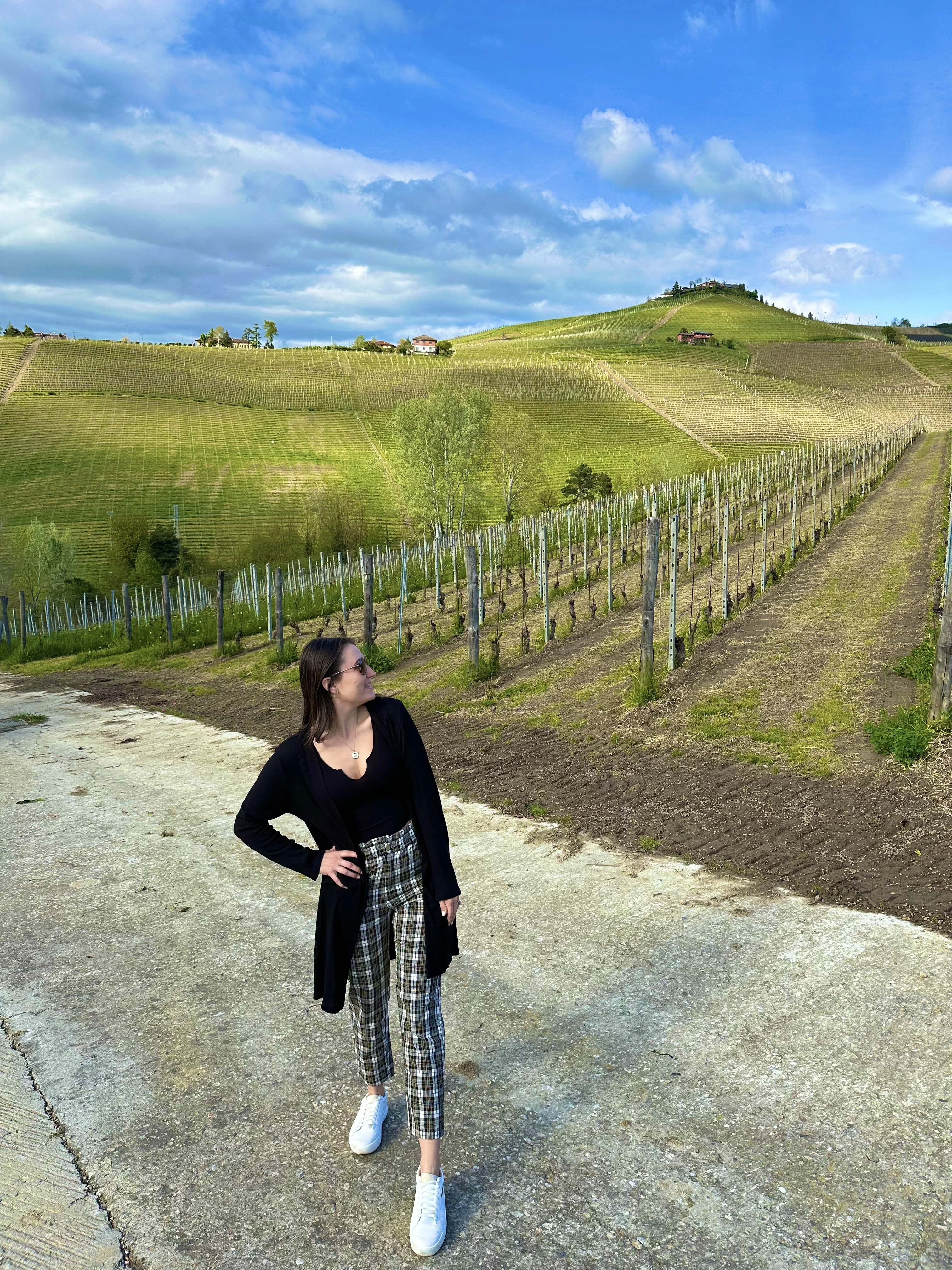
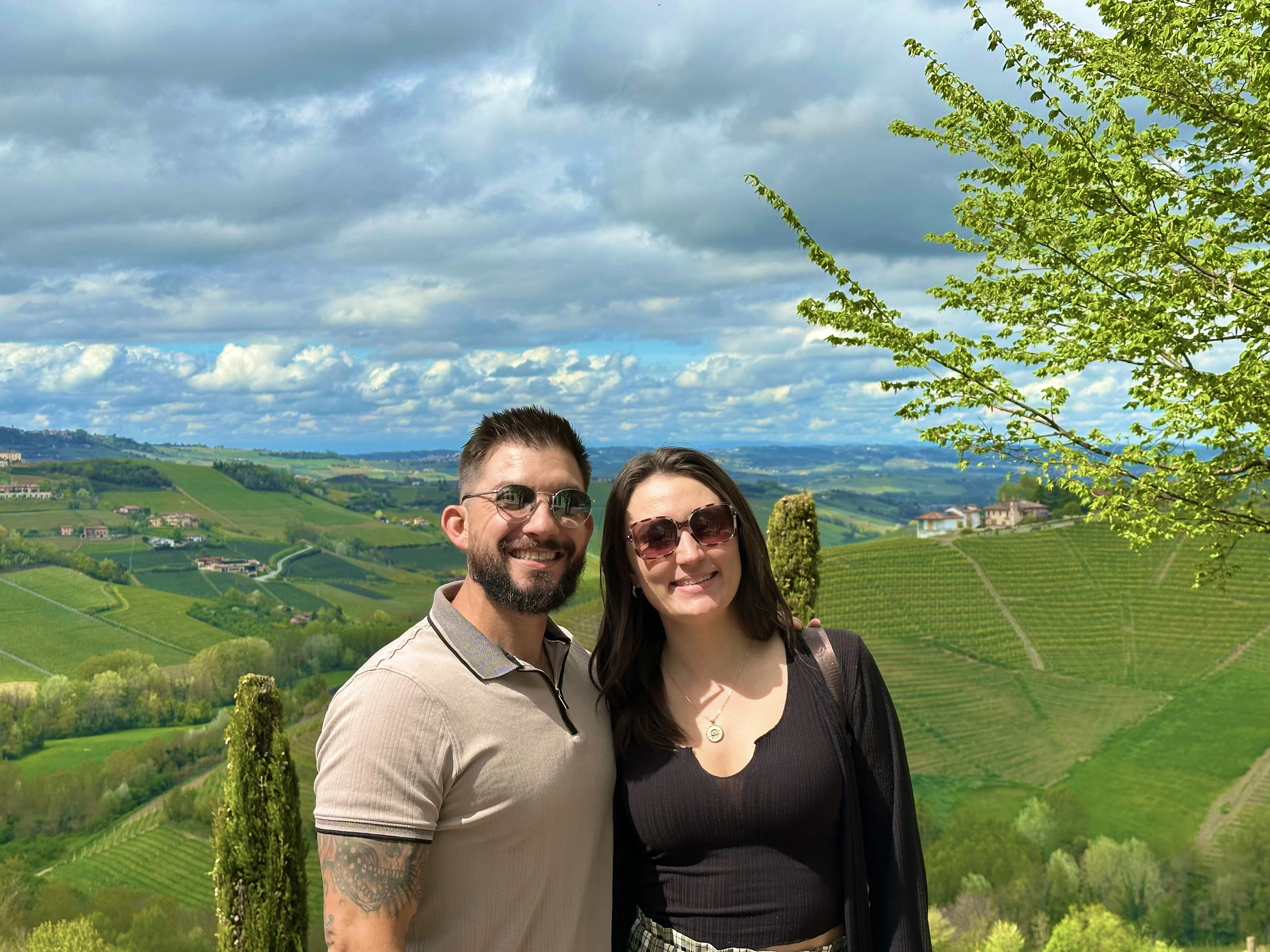
The Langhe hills are filled with tiny villages like Barolo, La Morra, and Neive, where life revolves around vineyards, long lunches, and evenings spent lingering over a bottle of wine. It's quieter, more intimate, and has a way of making you feel like you've discovered a side of Italy that many travelers never see.
The Wine
Tuscany
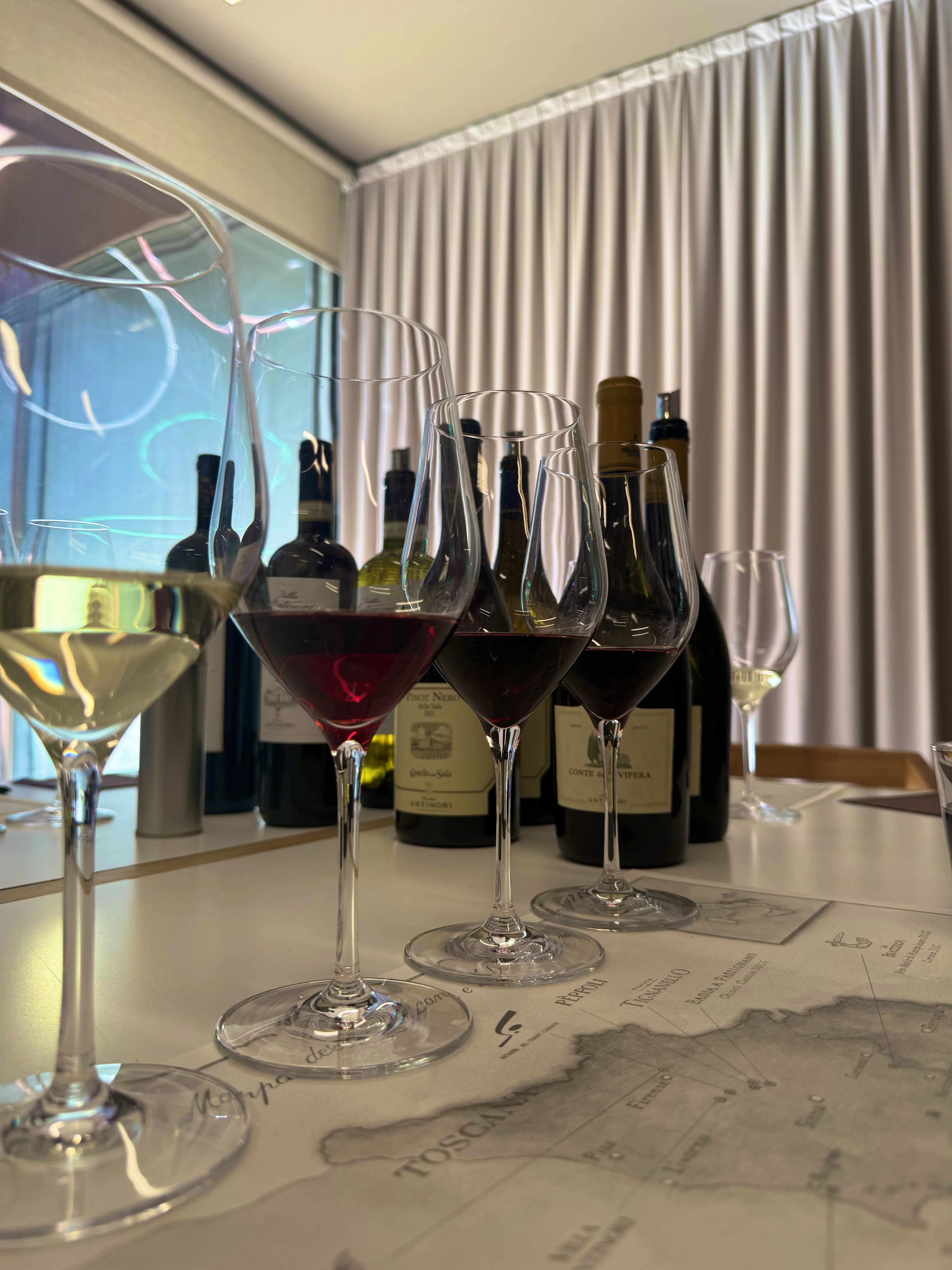
Tuscany is home to some of Italy's most recognizable wines.
You'll find:
- Chianti Classico
- Brunello di Montalcino
- Vino Nobile di Montepulciano
- Super Tuscans
Most Tuscan wines are built around the Sangiovese grape, known for its bright acidity, food-friendly character, and versatility.
Tuscany has also played a huge role in modern Italian wine history. Legendary families like Antinori have been making wine for more than 600 years, while producers such as Frescobaldi, Biondi-Santi, and Castello Banfi helped establish Tuscany as one of the world's premier wine destinations.
In the 1970s, Tuscany also gave birth to the famous Super Tuscan movement, when winemakers began blending international grape varieties like Cabernet Sauvignon and Merlot with local grapes, challenging Italy's traditional wine laws and forever changing the country's reputation on the global wine stage.
Piedmont
While Tuscany may be Italy's most famous wine region, many wine professionals consider Piedmont its most prestigious.
Why?
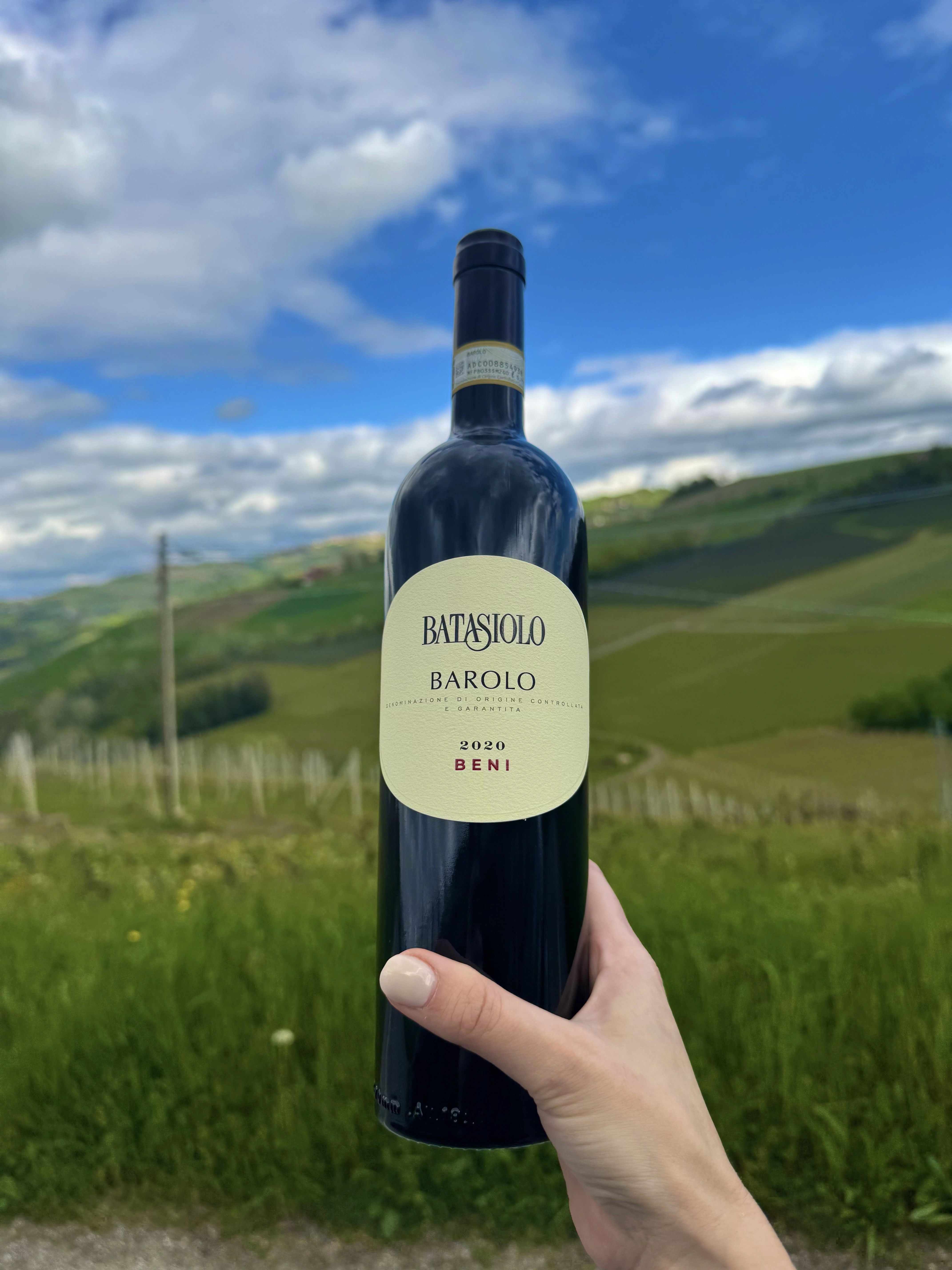
Because it's home to Barolo and Barbaresco—two wines made from the Nebbiolo grape that are often mentioned alongside some of the greatest wines in the world.
Nebbiolo is fascinating. It's one of those grapes that can seem delicate at first, but it produces wines with incredible structure, complexity, and the ability to age for decades. They're wines collectors often buy young and patiently wait years—even decades—to enjoy.
Piedmont has also produced some of Italy's most influential winemakers. Names like Gaja, Ceretto, Vietti, Giacomo Conterno, Bartolo Mascarello, Luciano Sandrone, and Elio Altare have helped shape Barolo and Barbaresco into wines respected around the world while still honoring traditions that stretch back generations.
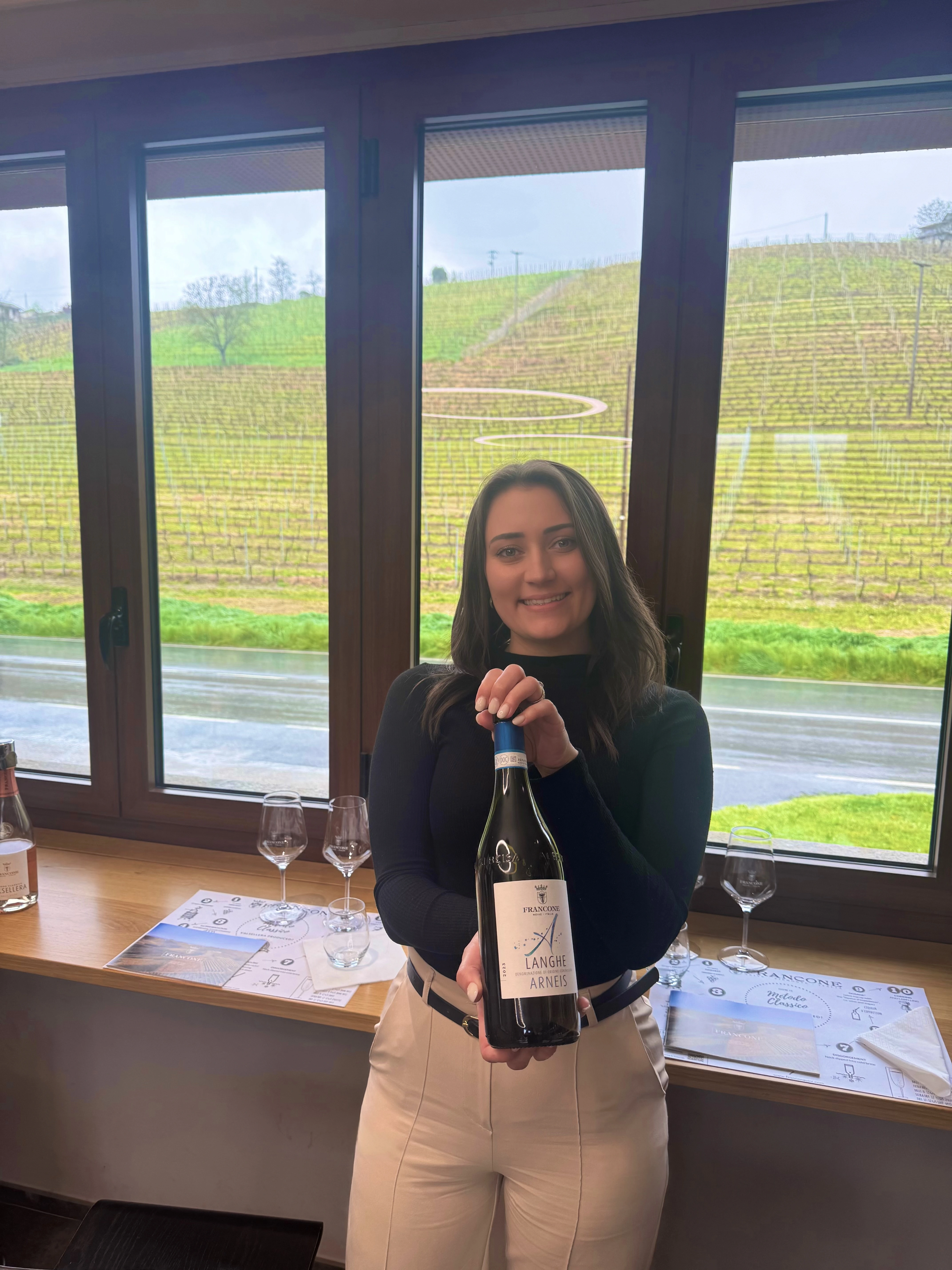
Confession: while Barolo gets all the attention, one of my favorite wines from Piedmont is actually a white wine called Arneis.
Most people haven't heard of it before they visit, but I always encourage clients to try it. It's fresh, crisp, and incredibly easy to drink, with flavors of pear, citrus, white peach, and subtle floral notes. It comes from the Roero area, just north of Barolo, and I think it's one of Italy's most underrated wines.
If you order a glass while you're there, don't be surprised if you spend the rest of the trip trying to find a bottle to bring home—I know I always do.
The Food
If food is just as important to you as wine, honestly, you can't go wrong.
Tuscany is known for Florentine steak, rustic pasta dishes, olive oil, pecorino cheese, wild boar, and hearty countryside cooking.
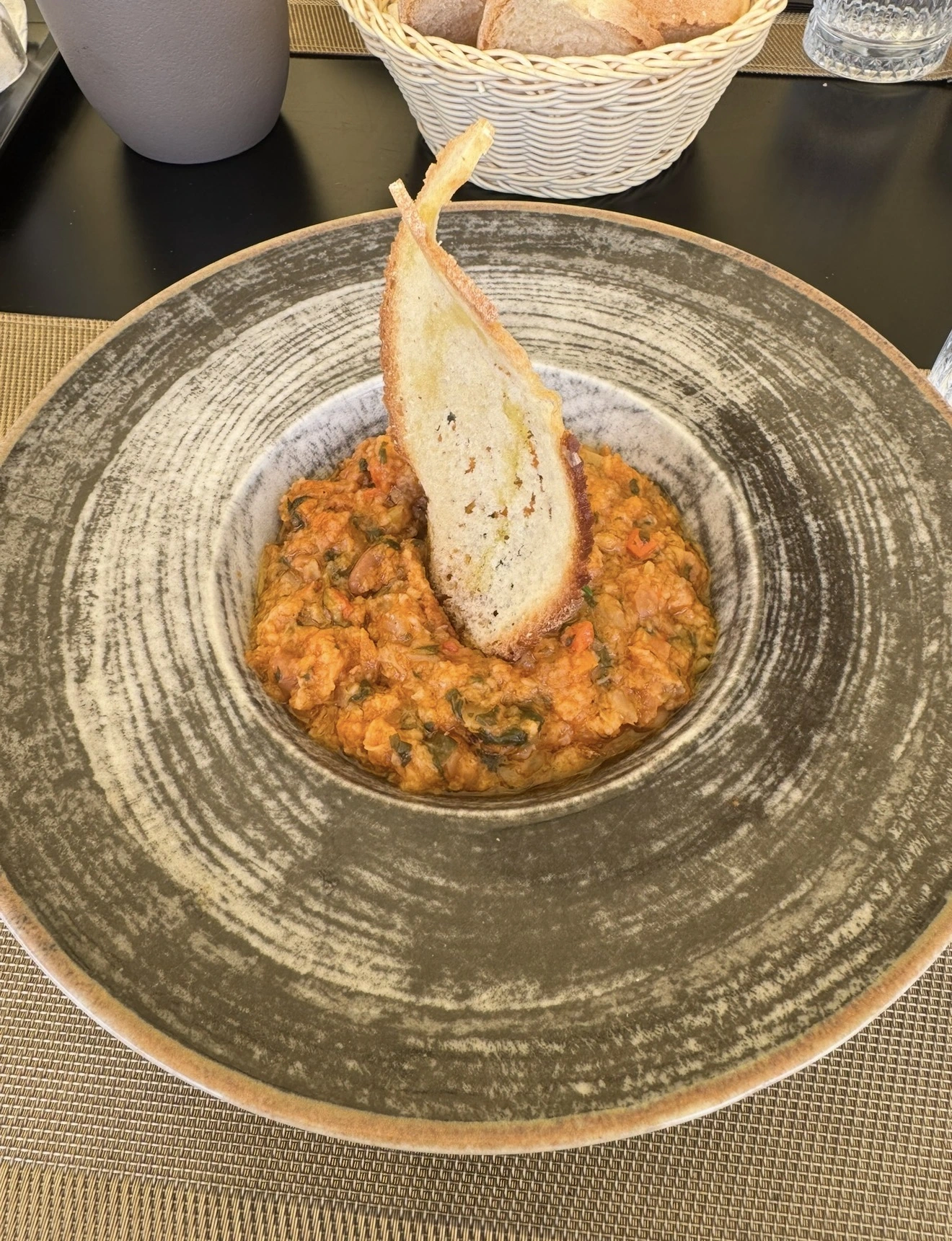
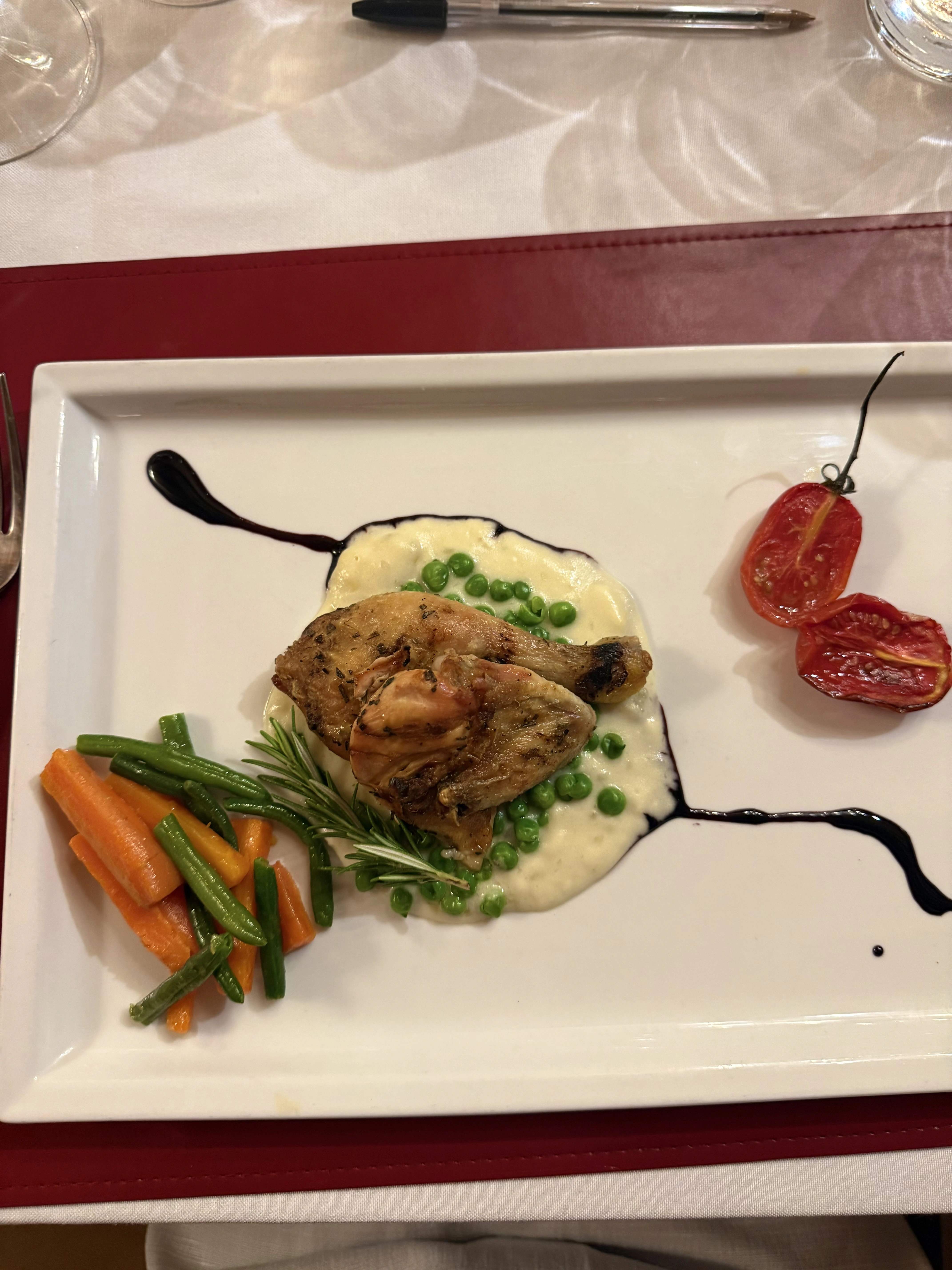
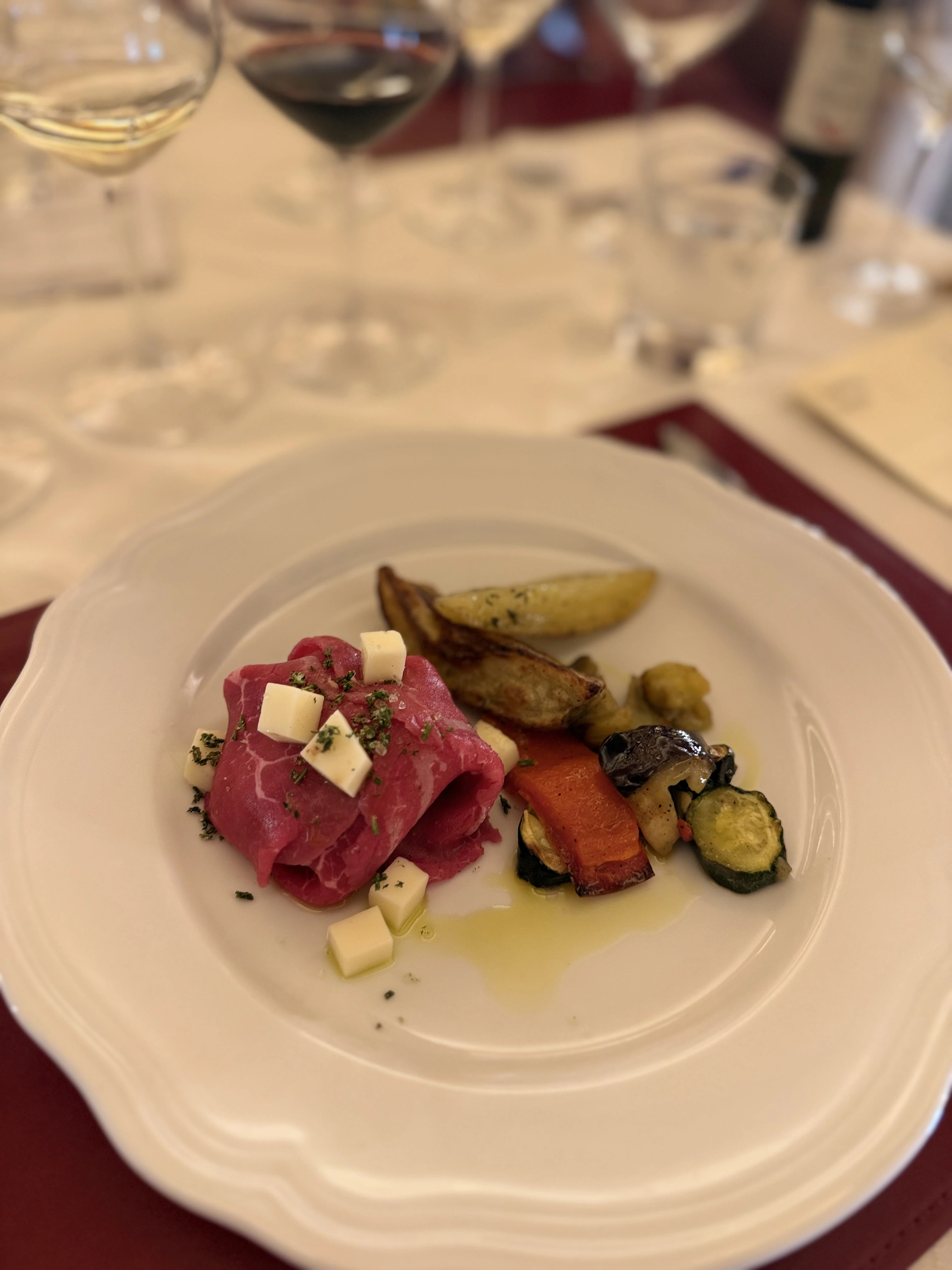
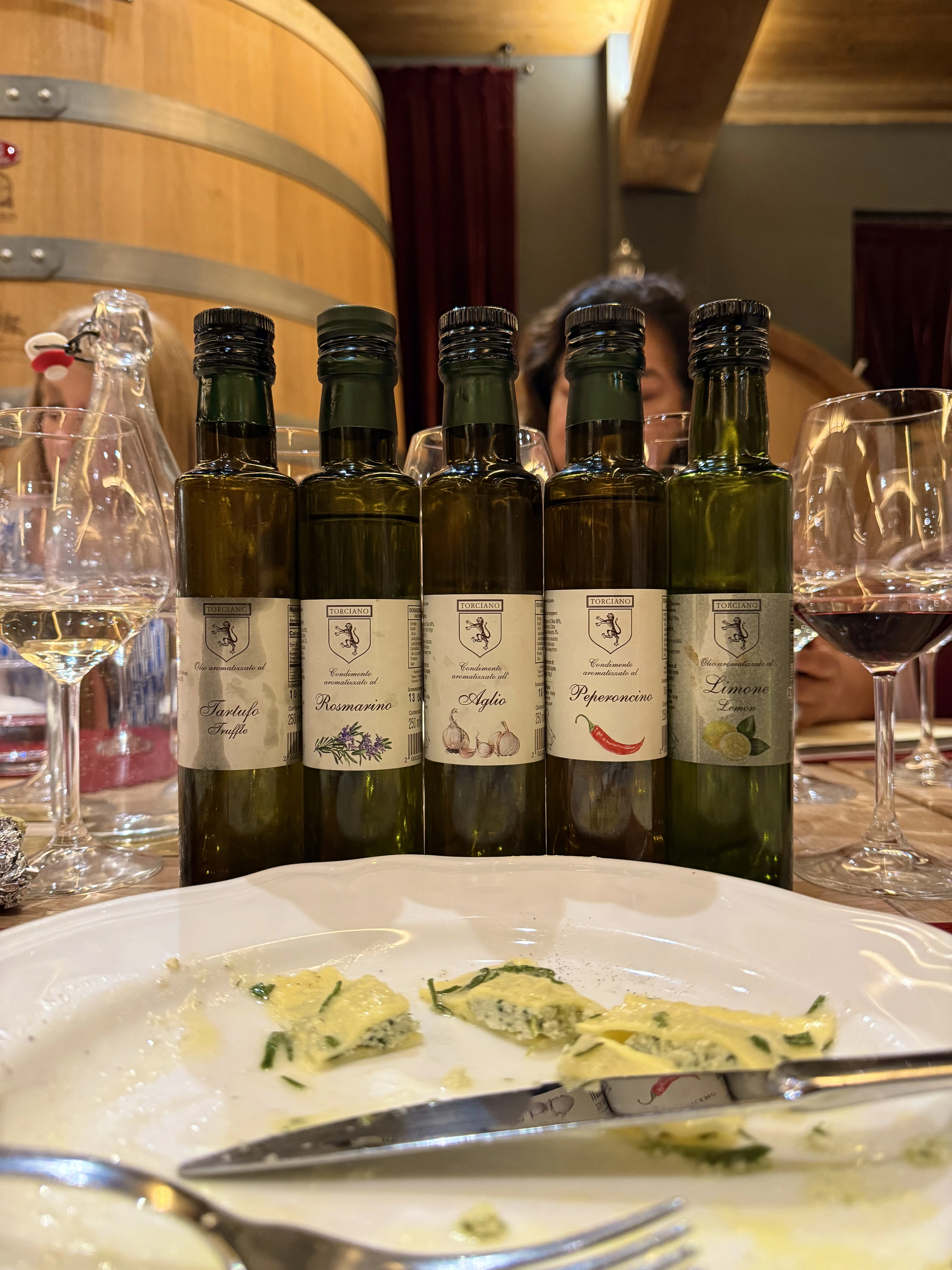
Piedmont, however, is often considered one of Italy's culinary capitals.
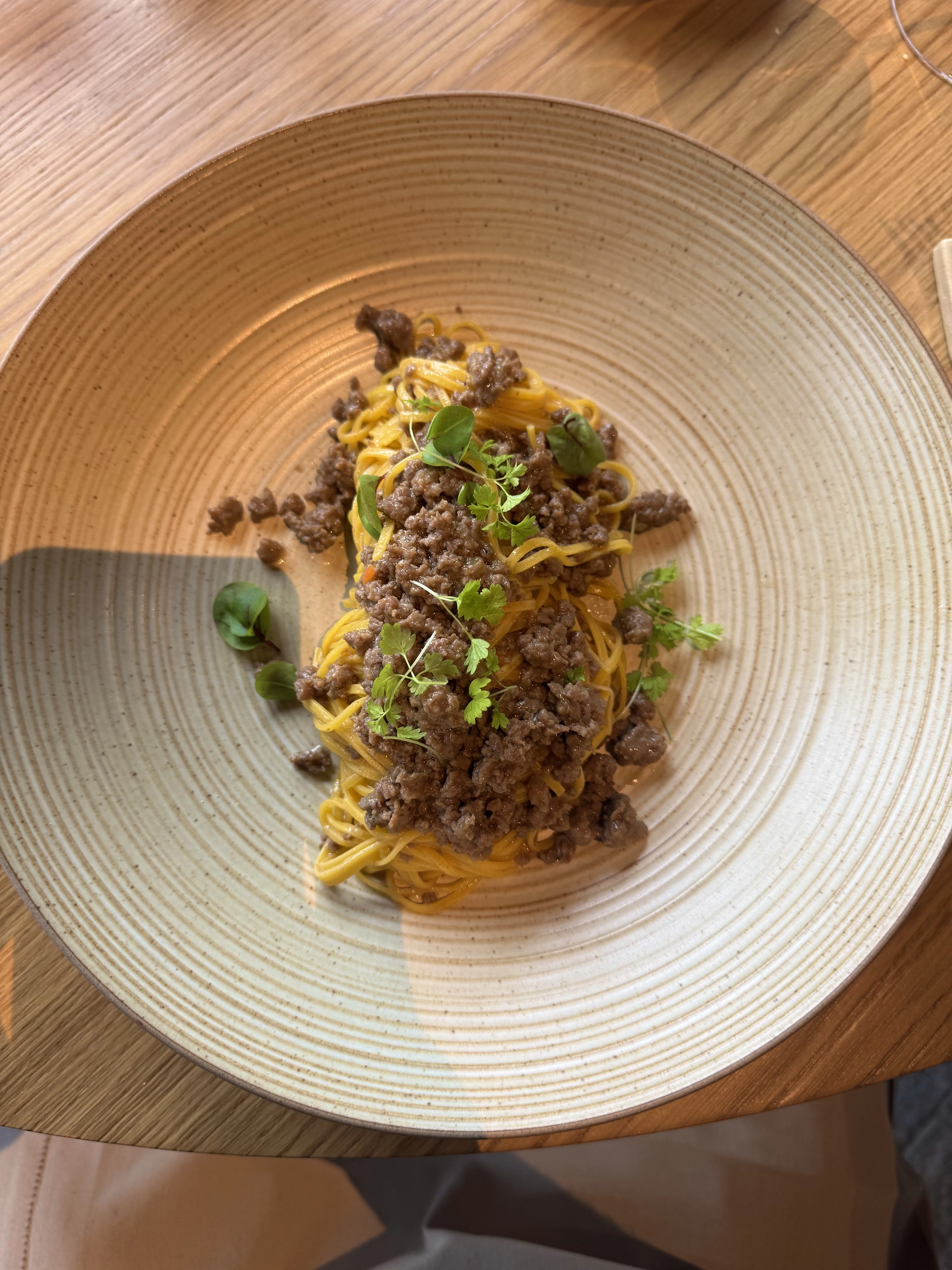
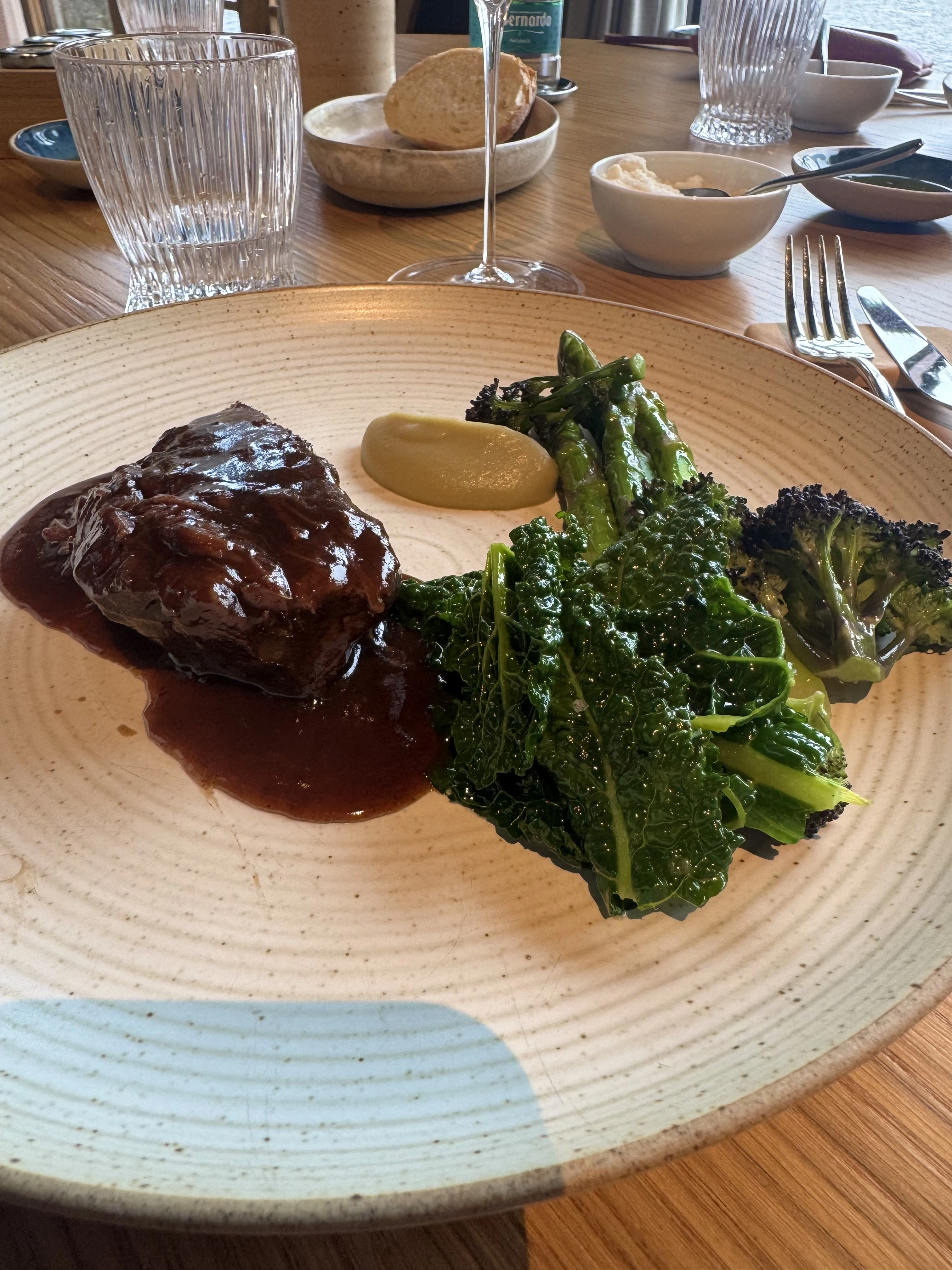
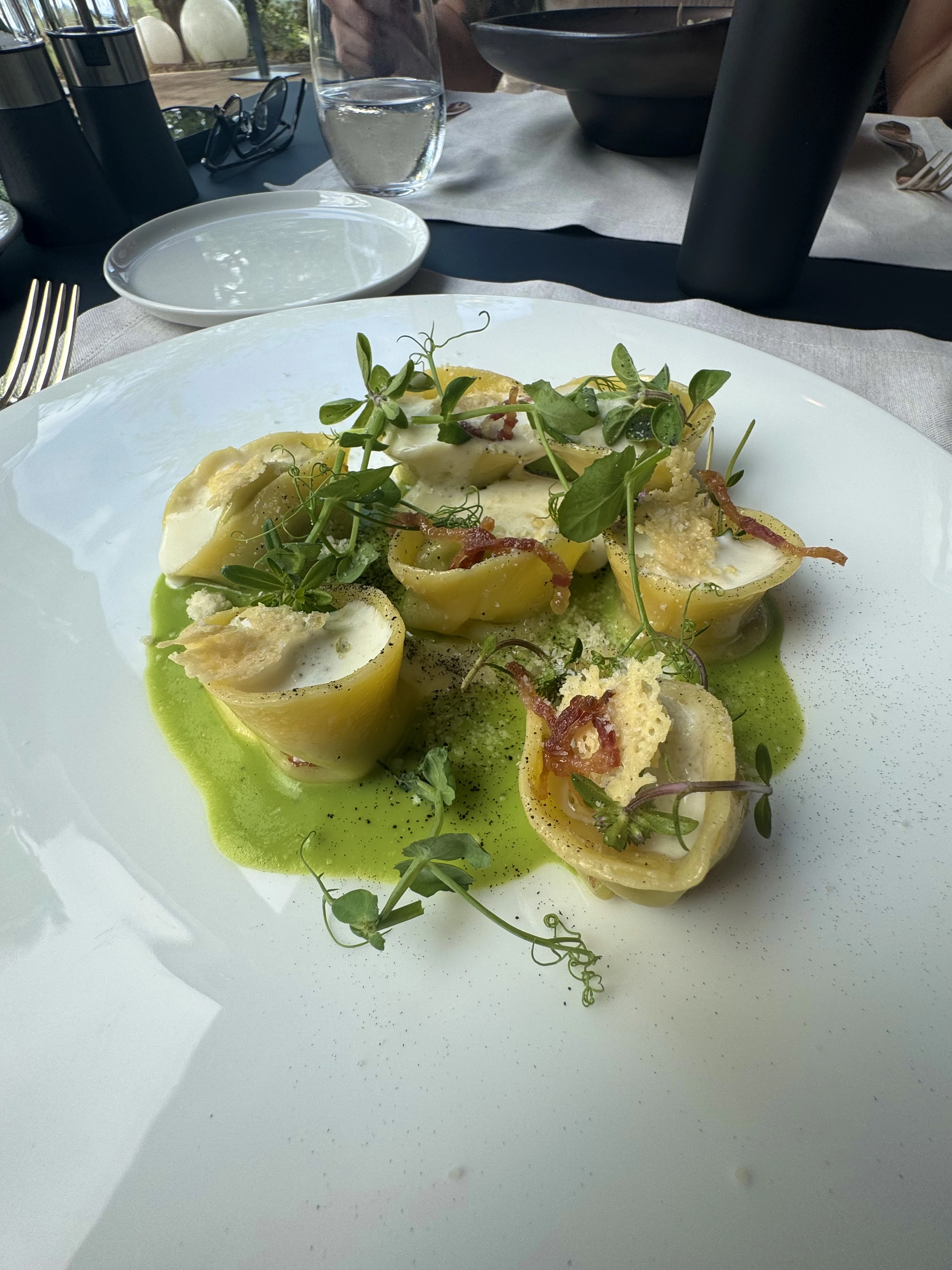
It's famous for white truffles, handmade tajarin pasta, rich risottos, hazelnuts, artisan cheeses, and beautifully refined cuisine that pairs perfectly with the region's wines.
If I had to choose one region purely for food...Piedmont might have a slight edge.
Crowds
This is one of the biggest differences.
Tuscany is incredibly popular, and for good reason. Even outside the busiest months, places like Florence and the Chianti region can be bustling with visitors.
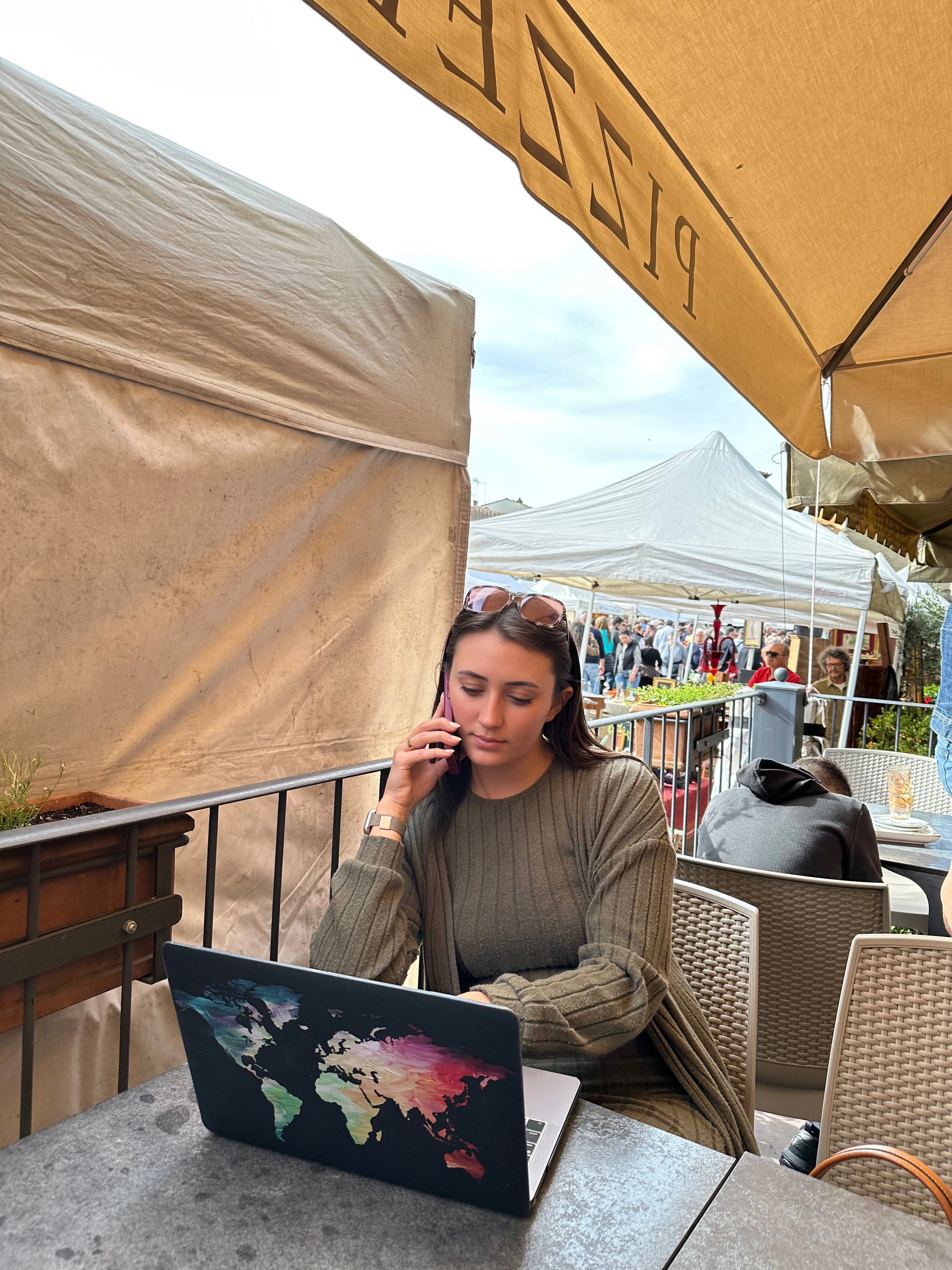
Piedmont feels much more relaxed.
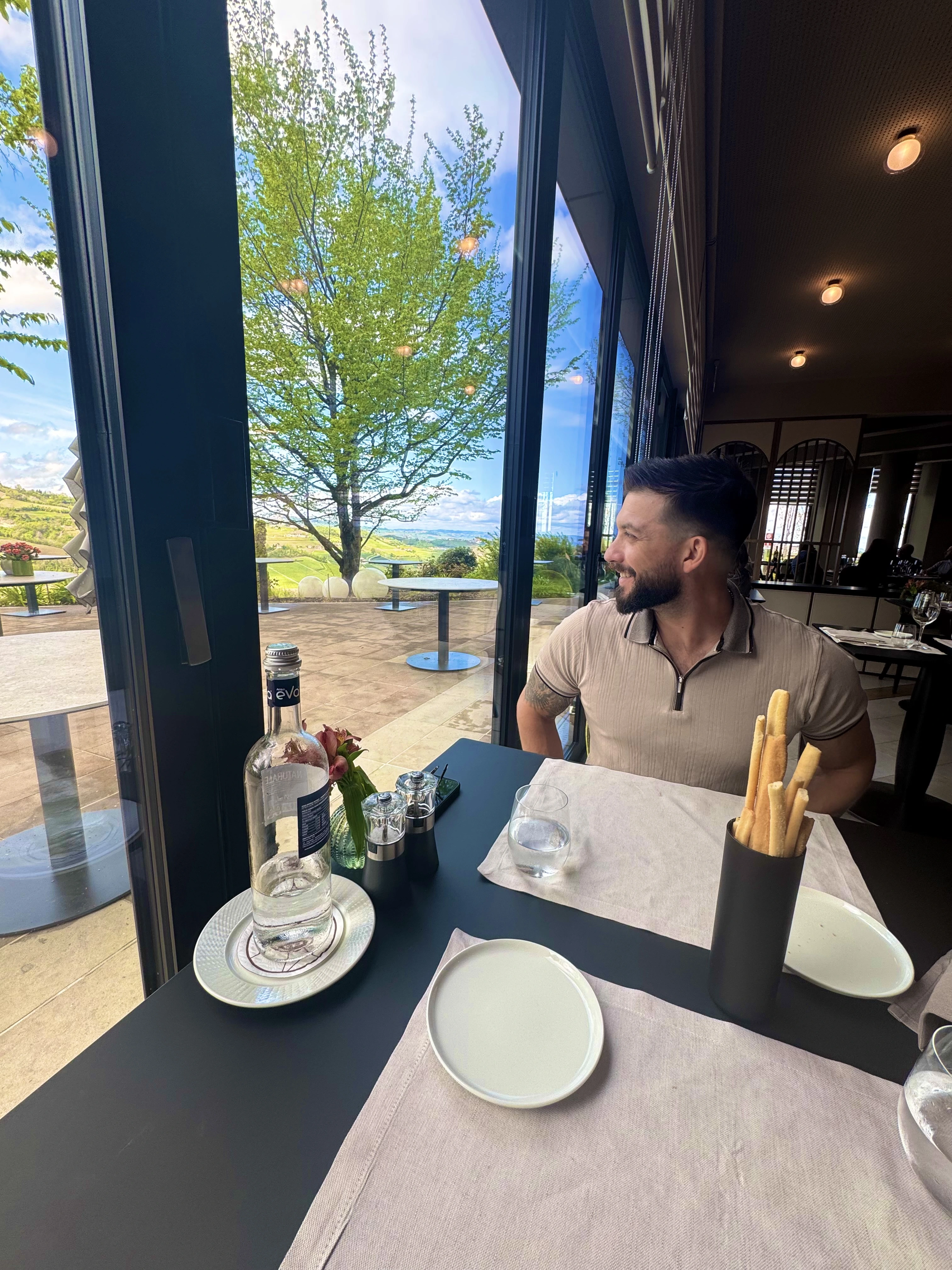
You'll still find visitors, especially during truffle season and harvest, but it rarely feels crowded. It's the kind of place where you can enjoy a long wine tasting without feeling rushed or sit in a piazza for hours without fighting for a table.
The Scenery
Both regions are beautiful, but they each have their own personality.
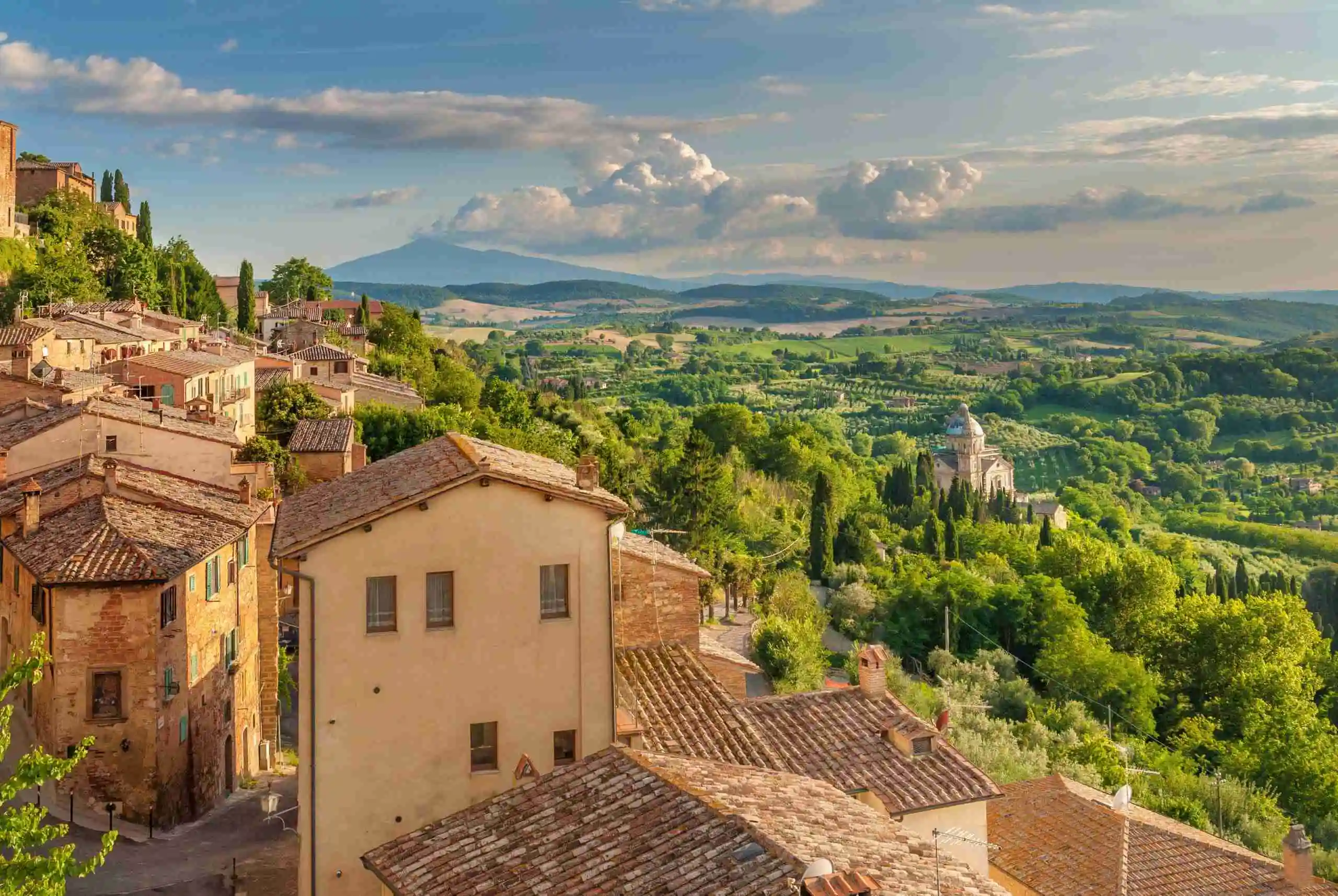
Tuscany is dramatic in a way that's instantly recognizable. Golden hills, cypress-lined roads, medieval villages, olive groves, and vineyards create the postcard image of Italy.
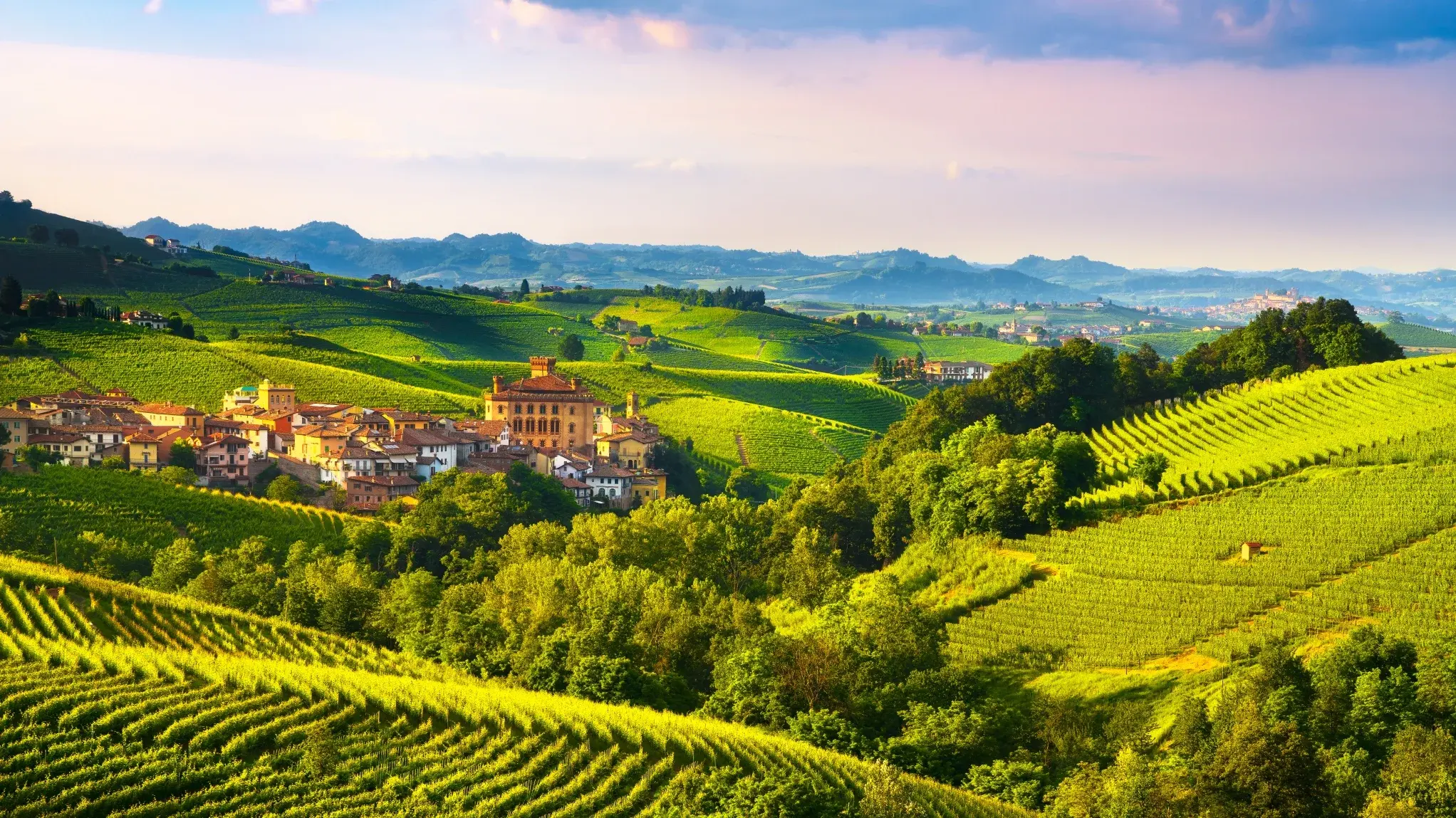
Piedmont feels softer and more understated.
The vineyard-covered hills of the Langhe seem to roll on forever, with castles perched above the vines and little villages tucked into the landscape. On cool mornings, a layer of mist often settles over the hills—a fitting backdrop for a region whose signature grape, Nebbiolo, takes its name from the Italian word nebbia, meaning "fog."
So...Which One Is Right for You?
Choose Tuscany if you...
- Are visiting Italy for the first time.
- Want those iconic postcard views.
- Love history, art, and famous landmarks.
- Want to combine wine tasting with sightseeing.
Choose Piedmont if you...
- Have already been to Tuscany.
- Love discovering places that feel more local.
- Plan your vacations around incredible food and wine.
- Prefer slower mornings, fewer crowds, and a more relaxed pace.
Can You Visit Both?
Absolutely—and honestly, it's one of my favorite combinations to recommend.
Start in Tuscany, where you'll experience Italy's iconic landscapes, Renaissance history, and world-famous wineries.
Then head north to Piedmont, where everything slows down just a little. You'll trade busy sightseeing days for leisurely wine tastings, unforgettable meals, and evenings overlooking the Langhe hills with a glass of Barolo in hand.
Rather than trying to squeeze five cities into one trip, spending several days in each region gives you the chance to actually experience them instead of simply checking them off a list.
My Final Thoughts
People often ask me which region I like better, and the truth is, I love them for different reasons.
If it's your very first trip to Italy, I'd almost always recommend Tuscany. It's iconic for a reason, and I think everyone should experience it at least once.
But if you've already been to Tuscany—or you're someone who gets excited about finding that tucked-away winery, lingering over a four-hour lunch, and learning the stories behind the wines you're drinking—I find myself recommending Piedmont more and more.
There's something about ending the day with a glass of Barolo overlooking the Langhe hills that just feels incredibly authentic.
To me, Tuscany is the Italy you've been dreaming about.
Piedmont is the Italy you can't stop thinking about after you get home.
And if you have the time, I truly believe experiencing both tells a more complete story of Italian wine. Tuscany introduces you to Italy's famous landscapes and rich history, while Piedmont shows you why so many wine lovers keep coming back.
If you're not sure which region fits your travel style, I'd love to help you design an itinerary that matches what you're looking for—whether that's your first glass of Chianti in Tuscany or your first sip of Barolo in the hills where it's been made for generations.
Cheers & thanks for reading! 🍷🙏🏻
Jenn Hilchey